
Blog

Star InactiveStar InactiveStar InactiveStar InactiveStar Inactive

By Phelekeza Specialist

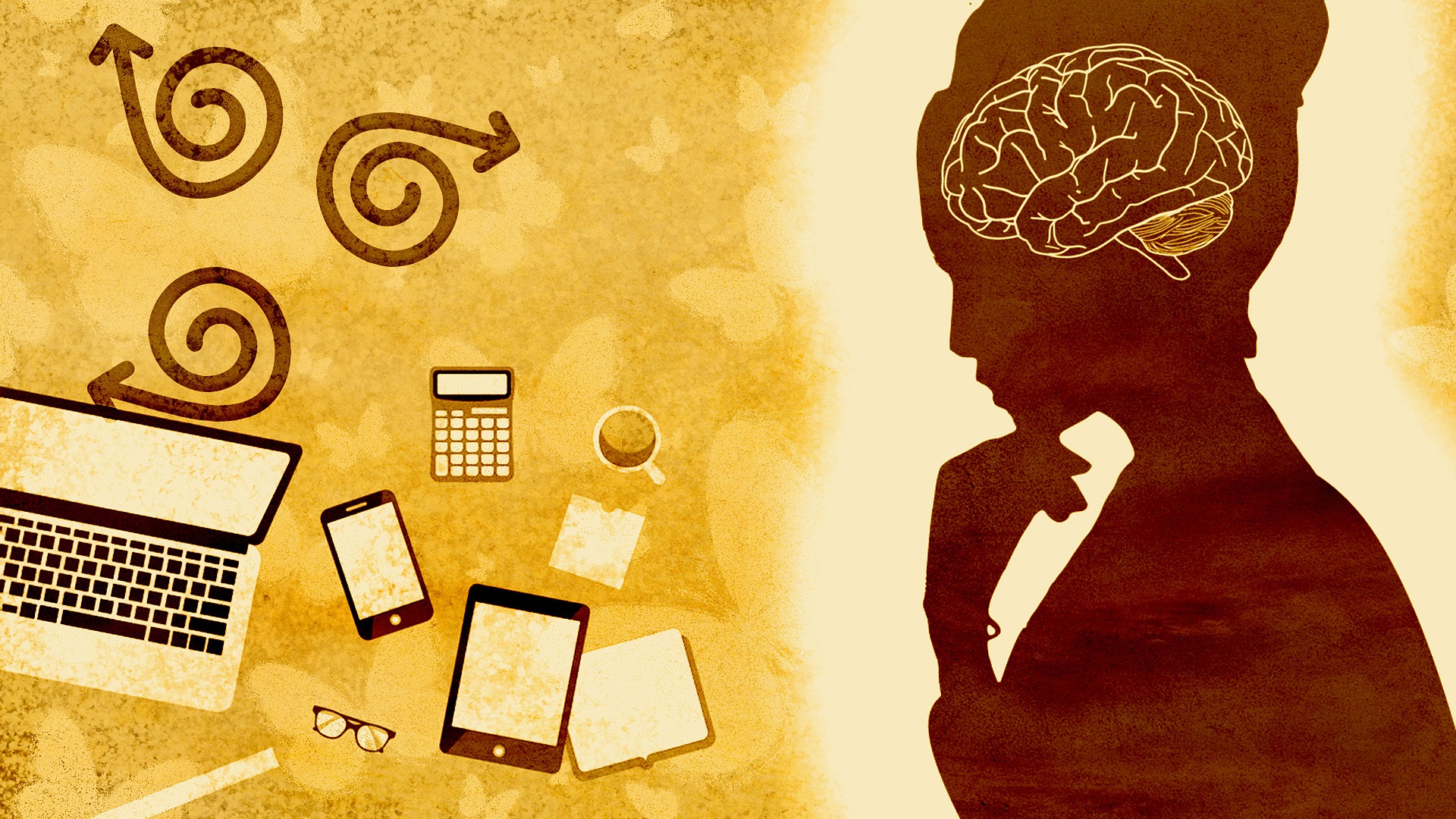
What does employee wellness look like in the workplace now that the country moved to COVID-19 level 1 lockdown? Many people experienced anxiety during the lockdown and are afraid to return to work either because they, or someone in their family, have a co-morbidity, thus fearing that they may expose these vulnerable people to the virus. Individuals also find themselves in entirely new situations where they are unable to fall back on prior knowledge of how to deal with the situation, which can be overwhelming to the individual. Many employees may fear that their concerns about returning back to work aren’t heard by management and intrapersonal conflict could exist should they not be given the opportunity to raise their concerns.

Similarly, employers fear the impact that flexible working conditions will have on the company's productivity. But knowing the makeup of individual team members, understanding their personality, emotional intelligence, and how the individual copes with uncertainty and stress will help a manager to better manage the expectations from the team's side so that the transition of returning to the office is smoother and the impact of this on employees mental wellness is minimised.

But what exactly is mental wellness?

Often, when we hear the word 'mental', we tend to think of diagnosed conditions such as depression, anxiety, or substance disorders. Day-to-day stress and anxiety, like the feeling of being overwhelmed with deadlines, can however also impact the overall mental wellbeing of an individual who does not suffer from a clinically diagnosed mental health issue. Therefore any company needs to ensure that it has systems and processes in place that allows for employees to talk to someone who can listen to them and in doing so helps them not to feel isolated or victim to their circumstances.

Emotional intelligence and workplace wellness

Emotional intelligence, or EQ, plays a major role in the overall wellness of employees in the workplace. It refers to whether a person can effectively deal with emotional information that is presented to him or her in the workplace, and how effectively a person handles those emotions. EQ is also determined by a person's own internal well-being, their happiness and how optimistic they are. How a person controls stress and their ability to control impulses further influences EQ.

A person who builds effective relationships with other people is expected to have a higher EQ. Similarly, if a person can put him or herself in someone else's shoes, in other words, show empathy towards them and understand why someone is acting the way they are, that person will be considered to have a higher EQ.

How an individual copes with change can also be determined from EQ. Does the individual have an internal locus of control that helps him or her to change things from an internal point of view, or does an individual react based on external circumstances?

These are all areas that are used in today’s workplace, and most human related difficulties can be addressed through an emotional intelligence intervention, especially on a managerial level and up.

Emotional reactions can be controlled or developed

Having low or high emotional intelligence is not always a bad thing. It is something that can be managed if too high (for instance so much empathy that it clouds their judgement) or developed if too low (being totally unable to relate to someone else’s struggles). How an individual approaches people, listen to others and take into account what they say, can all be developed through targeted interventions.

One such intervention is coaching. Often people aren't aware of why they react to certain situations the way they do. After an assessment and during the feedback or coaching session you can help the person become aware of their strengths, development areas and blind spots. A personal development programme is often also effective to use in managing the identified obstacles. Team workshops may also be useful in developing cohesive and well-balanced groups of people who effectively communicate with each other. Empowering a team to be aware of what EQ is and how to cope with their emotions as a collective unit, will certainly improve the team's overall functioning.

As businesses across the globe are busy finding their feet in post-COVID 'new normal' workplaces, being aware of the emotional intelligence of a workforce could be the differentiating factor in establishing a balanced and mentally healthy team of people even more than ever before. For more information on Phelekeza's wellness programmes and EQ assessments, email This email address is being protected from spambots. You need JavaScript enabled to view it., you are also welcome to visit our website at www.phelekeza.com.

Star InactiveStar InactiveStar InactiveStar InactiveStar Inactive

By Phelekeza Expert

Organisational culture encompasses the values and behaviours that contribute to the unique social and psychological environment of a business. September being Heritage Month, I want to highlight the importance of organisational culture and how it integrates with individual culture.

What is organisational culture?

Organisational culture is the combination of values, expectations, and practices that lead and inform the work of all team members. Think of it as a group of attributes that make your company what it is. The dictionary defines culture as: "the ideas, customs, and social behaviour of a particular people or society."

Corporate culture is the core of every business operation. Whether it is recruitment or performance management, the values and cultures of the organisation should be rooted in those processes. It shouldn't just be values written on a wall. It shouldn't be this far-away fluffy concept. It should be something that, especially the leaders in an organisation, live and breathe.

Recruiting for cultural fit

It is one thing to recruit for skill, and that we can assess for. However, in terms of culture and cultural fit you need to attract the right person by placing the right advertisements and asking the right questions during the interview to make sure that the candidate's values are in line with your organisational values. You can only determine that, and the candidate can only ascertain that, if the company is sure of its values.

Company culture and COVID-19

We have all felt the impact of the COVID-19 lockdown on teamwork. First of all, I sense that leaders feel they are losing control of their company culture because teams are not interacting face-to-face. That is why it is important to remind teams about it by integrating business culture into every process and in the execution of tasks and projects.

Managing remote teams is easier when you understand each member's contribution to the organisation's culture. I once saw a quote that read: "We can only manage what we know." Company culture should be as diverse as possible. When leaders and managers know what individual team members contribute in terms of their skills and attributes, it is easier to bring out the best in them.

It is furthermore important to understand that each employee will express the business' values and culture through individualistic behaviour. Imagine that your company's core value is 'serving'.  Someone may serve by making coffee. Someone else could serve by helping others, and another employee may serve by making jokes and lift the atmosphere. So, knowing the individual will enable the manager to understand how the individual lives the company culture.

The new normal and leadership mindsets

Many companies still have very traditional cultures in terms of employees who are only seen as working when they are at the office in front of their computers. With the new normal I think the biggest change management that needs to happen within organisations is the change in leaders' mindsets. Leaders and managers must move away from the idea that, if you empower someone, you may lose control. The fear of losing control hinders managers to live the company values and in turn results in distrust of employees' abilities to live the business values.

Only after a company's leadership team changed their mindsets, is it time to change the business processes and support systems to make sure that performance remains on track, that teams have regular virtual catch-up sessions, and that employees come into the office from time-to-time to create team cohesion. Even when teams can do everything remotely, there is something special that happens when people get together in the same room. That is why it is important to ensure that the company's culture is entrenched in the training of staff in terms of the new normal and way of doing things at your organisation.

The benefits of having a solid company culture

Culture shapes the way that people not only interact with each other, but it also shapes individual work ethic and how effectively we work. It influences employee performance, teamwork, and the way we respect and talk to each other. That is why it is important that the leaders who created the culture, also live the culture to enable it to trickle down into the rest of the organisation.  I read somewhere that 'you can teach what you know but you reproduce who you are'.

How can we help you?

At Phelekeza we can help your company with all the steps of creating and establishing a solid organisational culture. Our experts can guide your leadership team in establishing the core values of your business and setting up the subsequent processes. We can help with job advertisements, interview questions, a variety of assessments, as well as team fit and how each individual contributes to the team. Our services include personality assessments, team cohesion, understanding each other, understanding behaviours, team workshops, and leadership training. For more information call our office in Pretoria at 012-271-0051 or send us an email to This email address is being protected from spambots. You need JavaScript enabled to view it..

At our core Phelekeza offers innovative and customisable human capital solutions, designed to get the most out of the people in your organisation.

OFFICE HOURS

We are Available more than 10 hours a day for your service!

Mon-Fri: 08.00am to 17.00pm 
Appointments: Weekdays
Weekends: Closed

HEAD OFFICE

169 Garsfontein Road
Ashlea Gardens
Pretoria
0081